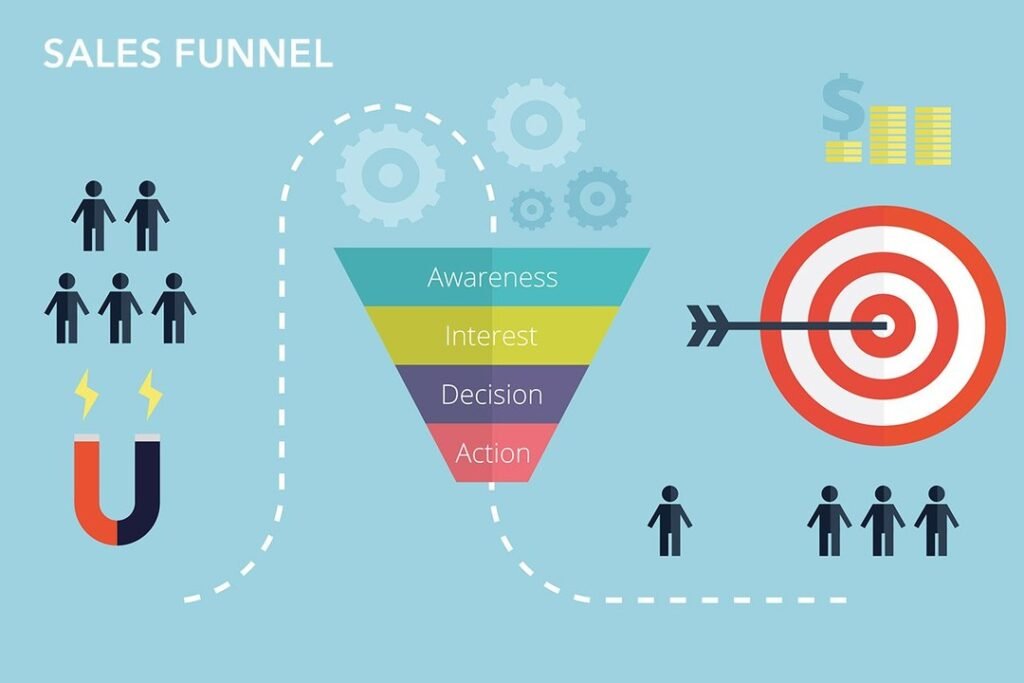
A lot of businesses obsess over generating leads and barely think about what happens to those leads afterward. That gap is exactly where a solid understanding of sales funnel stages pays off — it’s not just about getting attention, it’s about guiding someone from stranger to loyal customer methodically.
What Are the Core Stages of a Sales Funnel?
The sales funnel typically moves through awareness, interest, consideration, intent, purchase, and loyalty — with the number of prospects naturally narrowing at each stage as unqualified leads drop off.
1. Awareness: Getting on Someone’s Radar
This is the top of the sales funnel, where a potential customer first learns your business exists — through ads, content, word of mouth, or search results. The goal here isn’t selling; it’s simply being noticed.
2. Interest: Earning a Second Look
- Prospect visits your website or social media after initial awareness
- Signs up for a newsletter or downloads a free resource
- Follows your brand on social media without yet engaging with sales
3. Consideration: Comparing You Against Alternatives
Here’s a quick answer: at the consideration stage of the sales funnel, prospects actively compare your offering against competitors, making this the point where case studies, testimonials, and clear differentiation matter most — generic marketing copy rarely converts well here.
4. Intent: Clear Signals of Buying Readiness
I’ve noticed businesses often miss the signals at this stage — a prospect adding items to cart, requesting a demo, or asking pricing questions is showing genuine intent, and delayed follow-up here loses more deals than almost any other funnel mistake.
5. Purchase: The Conversion Moment
This is the actual transaction, but the experience here still matters enormously for long-term retention. A clunky checkout process or confusing final step can lose a sale even after a prospect has mentally committed to buying.
6. Loyalty: The Stage Most Businesses Ignore
Picture two identical e-commerce stores — one that stops communicating the moment a purchase completes, and one that follows up with genuine post-purchase support, personalized recommendations, and occasional value-add content. The second one builds a sales funnel that feeds itself through repeat purchases and referrals.
7. Where Most Sales Funnels Leak the Most
The consideration-to-intent transition typically sees the steepest drop-off, since this is where price sensitivity, competitor comparison, and decision fatigue all collide simultaneously.
8. Aligning Content With Each Funnel Stage
Top-of-funnel content should educate broadly; bottom-of-funnel content should address specific objections and provide proof. Using the same generic content across every stage of the sales funnel is a common, costly mistake.
[link to related guide on cold calling scripts here]
How Do You Measure Sales Funnel Performance?
Track conversion rate between each specific stage, not just the overall lead-to-customer rate — this reveals exactly where prospects are dropping off, so you can fix that specific stage instead of guessing at the whole funnel.
FAQ
Q: What’s a good overall sales funnel conversion rate? It varies enormously by industry, but many B2B businesses see overall lead-to-customer conversion rates between 2-5%, while stage-specific rates can be much higher.
Q: How is a sales funnel different from a marketing funnel? They largely overlap, though marketing funnels often emphasize awareness and interest stages, while sales funnels focus more heavily on consideration through purchase.
Q: What tools help manage a sales funnel effectively? CRM platforms like HubSpot, Zoho CRM, or Salesforce are commonly used to track prospects through each funnel stage and automate follow-ups.
Q: Why do prospects drop off at the intent stage specifically? Common reasons include slow follow-up response times, unclear pricing, or unresolved objections that weren’t addressed during the consideration stage.
Q: Can a small business build an effective sales funnel without expensive software? Yes — even a well-organized spreadsheet tracking prospect stages can work for small businesses, though dedicated CRM tools become valuable as volume grows.
Conclusion
Understanding each sales funnel stage individually, rather than treating the whole thing as one blurry process, is what actually improves conversion. Audit your own funnel this week — find the stage with the steepest drop-off, and focus your next improvement effort there instead of spreading attention thin across the entire funnel.
[image alt text suggestion: “sales funnel stages diagram showing awareness to loyalty conversion”]