
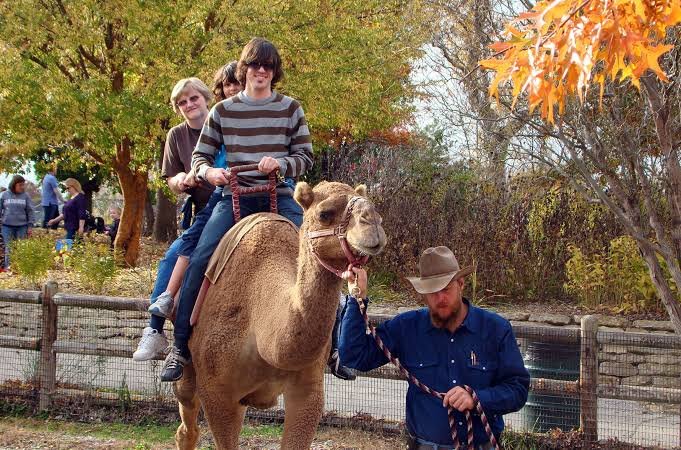
The best family events often have something in common: they give people a reason to slow down and enjoy the moment together. During the Christmas season, that might mean listening to familiar carols, watching children admire festive decorations, or sharing a story that has been passed down through generations. Sometimes, it’s as simple as seeing a child smile while meeting an animal for the first time.
Across Missouri, seasonal gatherings can bring these experiences together in meaningful ways. A traditional nativity presentation offers a chance to reflect on the Christmas story, while a supervised animal encounter introduces a little excitement and discovery. With thoughtful planning, both activities can turn an ordinary community gathering into a memorable day for families.
Why Traditional Holiday Events Still Matter
Holiday celebrations have changed over the years, but people still appreciate activities that encourage connection. While shopping, online entertainment, and elaborate attractions have their place, a community event offers something different: the chance to share an experience with people in the same room, church, or outdoor gathering space.
A nativity presentation, for example, tells the story of Jesus’ birth through performers, costumes, simple scenery, and narration. It can be a quiet and reflective experience, particularly for families who want to keep the religious meaning of Christmas at the center of their celebrations.
Animal encounters provide another kind of connection. Children are naturally curious about animals, and seeing one up close can inspire questions about its habits, diet, and environment. Adults may enjoy the experience just as much, especially when the encounter includes useful information rather than being limited to photographs.
These activities can work well independently or as part of a larger seasonal festival. The important thing is to give each one enough space and attention to make the experience enjoyable.
Bringing the Christmas Story to Life
A Live Nativity offers visitors an opportunity to experience the traditional Christmas story through a staged representation of the birth of Jesus. Depending on the organizer, the presentation might take place inside a church, in a community hall, or outdoors in a Bethlehem-inspired setting.
The most effective productions don’t necessarily require a large budget. A simple stable, period-inspired clothing, gentle lighting, and a well-prepared narrator can create a moving atmosphere. Traditional music or familiar hymns can add to the experience without distracting from the story.
For children, seeing the characters portrayed in person may make the story easier to understand. They can watch the scene unfold and ask questions afterward. Parents and church volunteers can use those conversations to explain the significance of the Nativity in an age-appropriate way.
Community participation also makes these events special. Volunteers may help with costumes, props, rehearsals, seating, and refreshments. When people contribute their time and talents, the presentation becomes more than a performance; it becomes a shared project that strengthens local relationships.
Organizers should plan for the audience’s comfort, especially during outdoor events. Clear directions, accessible pathways, suitable seating, and a weather contingency plan can make the gathering welcoming to visitors of different ages and abilities.
Discovering Petting Zoo St Louis Experiences
Families looking for an activity that combines entertainment with learning may explore Petting Zoo St Louis when researching animal encounters, traveling petting zoos, and family-friendly events in the area.
Petting zoos can introduce children to familiar farm animals, such as goats, sheep, rabbits, and chickens, depending on the provider. Some operators bring their animals to festivals, schools, birthday parties, and private celebrations, while others offer experiences at a permanent venue.
The exact activities vary, so it’s worth checking what a particular provider offers before making plans. Some petting zoos allow supervised interaction, while others emphasize viewing and educational demonstrations. Ask whether admission includes animal feed, whether reservations are required, and what age restrictions apply.
A good visit should be about more than letting children touch animals. It can teach them how to approach living creatures calmly, recognize that different species have different needs, and understand why gentle handling matters.
Parents can help by encouraging children to listen to staff instructions and avoid sudden movements. Children who feel nervous should be allowed to observe from a comfortable distance rather than being pressured to participate. Confidence often develops naturally when they have time to watch others and become familiar with the surroundings.
Combining Animal Encounters With Community Celebrations
A community festival can benefit from offering several activities that appeal to different interests. Families might enjoy a nativity performance, browse craft stalls, listen to seasonal music, and visit a supervised animal area during the same outing.
However, combining attractions requires a sensible layout. A quiet nativity presentation may be interrupted by noise from a busy animal area, while large crowds can make animals uncomfortable. Placing these activities in separate sections helps visitors enjoy each one without unnecessary distractions.
Organizers should also consider the event schedule. Rather than running every activity simultaneously, they might arrange a short performance followed by a period for visiting other attractions. This approach helps manage crowds and gives families more flexibility.
If live animals are included in a nativity scene, the arrangements need even more care. Animals should be handled by experienced professionals and provided with appropriate shelter, water, rest, and safe footing. They must not be expected to remain in a noisy or crowded environment simply to maintain the event schedule.
Not every celebration needs live animals to create a meaningful experience. Well-designed scenery, engaging storytelling, and thoughtful activities can be just as effective when animal participation isn’t practical.
How to Choose a Responsible Petting Zoo Provider
Before booking a petting zoo for a school event, birthday party, church gathering, or public festival, take time to evaluate the provider.
Start by asking about experience, insurance, transportation, animal-care practices, and the number of trained staff members who will attend. Find out how the company manages handwashing, animal feeding, crowd control, and interactions between children and animals.
The venue itself matters, too. A suitable setup should include enough space for visitors to move safely without crowding the animals. Outdoor locations need appropriate shelter and a plan for changing weather. Organizers should also consider accessibility and whether the area can be cleaned and maintained properly.
Hygiene is particularly important at animal encounters. Visitors should have access to handwashing facilities or suitable hand-cleaning arrangements, and they should be encouraged to clean their hands after contact with animals or their surroundings. Food and drink should be kept away from animal-contact areas.
Ask the provider how it responds when an animal appears stressed or needs a break. A responsible operator will put animal welfare first, even if that means adjusting the schedule or limiting interaction.
Keeping Children Safe While Encouraging Curiosity
Children learn best when they feel comfortable asking questions and exploring at their own pace. At a petting zoo, adults should supervise closely and explain basic rules before entering the animal area.
Children should approach animals only when staff permit it, use gentle movements, and avoid chasing, grabbing, or disturbing them while they’re eating or resting. Feeding should take place only with approved food and under the provider’s guidance.
After the encounter, parents can ask children what they noticed. Perhaps a goat behaved differently from a sheep, or a rabbit seemed more comfortable in a quieter space. These observations can lead to simple conversations about animal behavior, habitats, and responsible care.
At a nativity event, the same spirit of curiosity can be encouraged through questions about the characters, setting, and meaning of the story. The goal isn’t to turn every outing into a formal lesson. It’s to make room for discovery in a way that feels natural.
Making the Day Enjoyable for Everyone
A little preparation can make a family outing much easier. Check event times, ticket requirements, parking information, and any weather-related announcements before leaving home. For outdoor gatherings, bring appropriate clothing and comfortable footwear.
If you’re organizing the event, communicate the schedule clearly and make sure volunteers understand their responsibilities. Provide signs that direct visitors to the performance area, animal encounters, restrooms, and seating.
Most importantly, keep expectations realistic. Weather, crowd levels, and animal-care requirements can affect activities, so flexibility is essential.
Building Memories That Last Beyond the Season
A meaningful family event doesn’t have to be extravagant. Sometimes, a thoughtful Christmas presentation and a chance to learn about animals are enough to bring people together and create lasting memories.
By combining storytelling, education, and responsible entertainment, Missouri communities can offer experiences that appeal to both children and adults. Careful planning ensures that visitors feel welcome, performers are supported, and animals receive the attention and care they deserve.
Whether you’re attending a seasonal celebration or organizing one yourself, focus on what makes the experience worthwhile: shared moments, new discoveries, and genuine connections. Those are the things families are most likely to remember long after the decorations have been packed away.