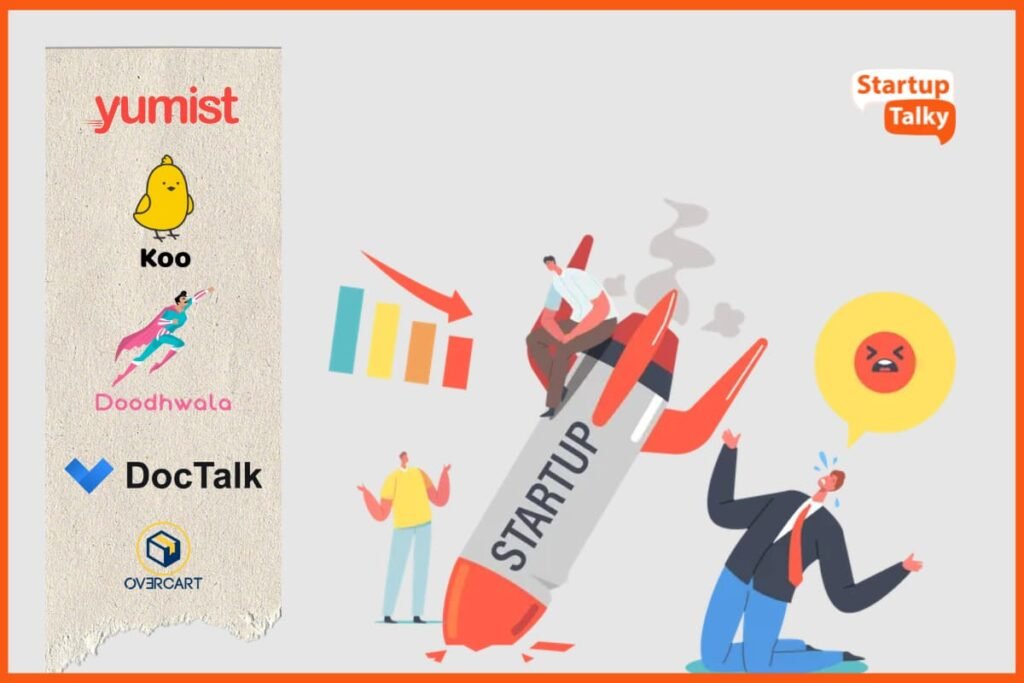
Not every startup success story starts with smooth, linear growth. Some of the most instructive ones involve a company staring at near-total failure, and clawing back through a series of hard, specific decisions. This kind of turnaround pattern repeats often enough across real startup history to be genuinely worth studying.
What Typically Triggers a Near-Bankruptcy Crisis for a Startup?
Most startup success story turnarounds begin with a common trigger: a sudden cash flow crisis, often from over-aggressive scaling, a lost major client, or a funding round that fell through unexpectedly — leaving weeks or months of runway instead of the expected year or more.
1. The First Move: Radical, Immediate Cost-Cutting
- Non-essential spending gets cut within days, not weeks
- Layoffs, while painful, often happen early rather than being delayed repeatedly
- Founders frequently take significant personal pay cuts as a signal to remaining staff
2. Being Brutally Honest With the Remaining Team
Here’s a direct answer: nearly every documented startup success story involving a near-collapse turnaround includes a moment of genuine, uncomfortable transparency with the remaining team about exactly how bad the situation is — vague reassurance almost always backfires when employees eventually discover the real severity.
3. Renegotiating With Vendors and Creditors
I’ve noticed struggling startups often assume vendors and creditors will be unreasonable, when in reality many are willing to renegotiate payment terms or timelines rather than lose a paying customer entirely, especially if approached honestly and early.
4. Refocusing on the Single Most Profitable Part of the Business
Companies in crisis frequently discover they’ve been spreading resources across too many products or customer segments. A common turnaround move involves cutting everything except the one clearly profitable core offering, even if it means abandoning promising but unproven side projects.
5. Slack’s Own Near-Failure Before Becoming Slack
Slack itself is a widely cited startup success story — the company began as Tiny Speck, building an online game called Glitch that ultimately failed and shut down. Rather than closing entirely, the founders repurposed an internal communication tool they’d built for their own team, which became Slack.
6. Rebuilding Investor and Customer Trust Gradually
Picture a startup that survived a near-collapse but now faces skeptical existing investors and customers. Rebuilding that trust typically takes consistent, visible delivery on smaller promises over 6-12 months before larger commitments or funding rounds become possible again.
7. The Emotional Toll Founders Rarely Discuss Publicly
Turnaround stories often skip over the genuine personal toll on founders during this period — sustained stress, strained relationships, and difficult decisions about employees’ livelihoods. This part matters for anyone considering entrepreneurship, not just the eventual triumphant outcome.
8. What Changes Permanently After a Near-Bankruptcy Experience
Companies that survive this kind of crisis often maintain notably more conservative cash management practices permanently afterward — the memory of nearly running out of money tends to reshape financial decision-making for years.
[link to related guide on business growth case studies here]
Is Every Startup Near-Failure Followed by a Successful Turnaround?
No — for every well-known startup success story involving a dramatic turnaround, there are considerably more companies facing similar crises that don’t recover, which is worth remembering before assuming a near-bankruptcy always ends in eventual triumph.
FAQ
Q: What’s the most common first sign a startup is heading toward a cash crisis? Consistently missing revenue projections combined with rising burn rate is usually the earliest and clearest warning sign, often visible months before an actual crisis hits.
Q: How much runway should a startup maintain to avoid a near-bankruptcy situation? Financial advisors commonly recommend maintaining at least 6-12 months of runway at all times, adjusting spending proactively rather than reactively when that buffer shrinks.
Q: Do investors ever help fund a turnaround, or do they typically walk away? It depends heavily on the specific investors and the credibility of the turnaround plan — some existing investors do provide bridge funding if they believe genuinely in the revised plan and leadership.
Q: What’s the psychological impact of a near-bankruptcy on founders? It’s significant and often underdiscussed — many founders describe this period as the most stressful of their careers, sometimes affecting decision-making and personal relationships well beyond the crisis itself.
Q: Can employees tell when a startup is in serious financial trouble? Usually yes, even without official communication — unusual spending cuts, canceled perks, or shifts in leadership behavior are commonly noticed internally before any formal announcement.
Conclusion
This kind of startup success story isn’t really about luck — it’s about a specific, difficult sequence of honest decisions made under real pressure. If your own company is facing something similar, the pattern here — radical cost-cutting, transparency, and refocusing on what’s actually working — offers a genuine, tested starting point rather than vague optimism.
[image alt text suggestion: “startup founders discussing turnaround strategy during business crisis meeting”]