Water is one of those things we rarely think about until something seems wrong. Maybe your morning tea tastes a little strange, your glass has a cloudy appearance, or mineral deposits keep showing up around the kitchen tap. These small annoyances can make you wonder what is actually coming through your pipes. While municipal water supplies and private wells are treated or managed in different ways, water quality can still vary from one home to another. Understanding your options is a practical first step toward making everyday water more enjoyable.
The good news is that improving water quality doesn’t always require a complicated setup. Sometimes a simple filter is enough. In other cases, a more tailored system can address specific concerns. The key is knowing what your water needs before spending money on equipment.
Understanding What’s in Your Water
Water can contain naturally occurring minerals, sediment, disinfectant residues, and other substances picked up as it travels through treatment facilities and plumbing. The presence of a substance doesn’t automatically mean the water is unsafe, though. Concentration matters, and different substances require different treatment methods.
Hard water, for example, contains elevated levels of calcium and magnesium. It can leave spots on glassware, make soap harder to rinse away, and create scale inside appliances. Chlorine, commonly used in public water treatment, can sometimes produce a noticeable smell or taste. Private well water may have different concerns, including iron, manganese, or microbial contamination.
Rather than guessing based on taste or appearance, consider a water quality test. Testing can help identify the specific issue and prevent you from buying a system that doesn’t solve the problem. If you use a private well, regular testing is particularly important because its quality can change over time.
Choosing the Right Filtration System
Not every household needs the same solution. A filter that works well for improving taste may not remove dissolved minerals, and a softener designed for hard water isn’t necessarily intended to address other contaminants.
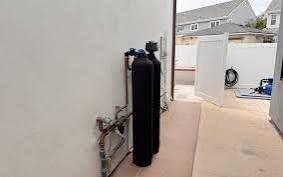
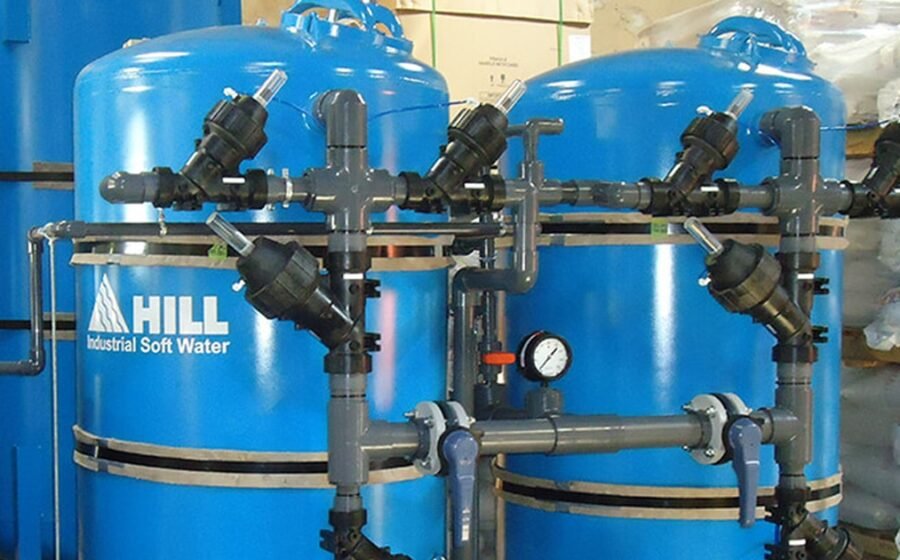
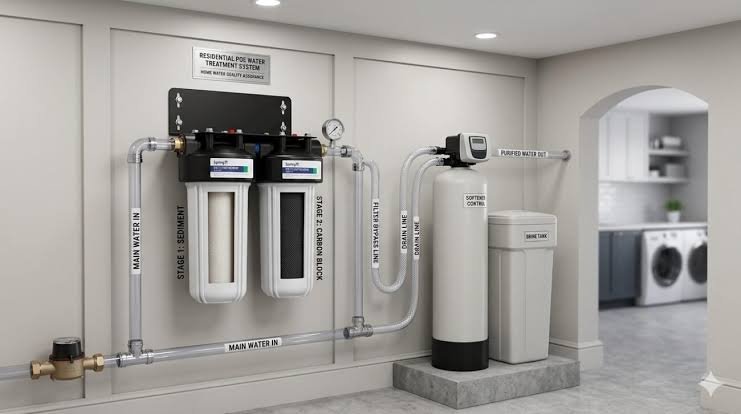
This is where advanced filtration systems can be useful. Depending on their design and certified performance, these systems may reduce selected substances such as sediment, chlorine, certain metals, or other impurities. Some are installed at a single tap, while others treat water as it enters the home. The right choice depends on your test results, household water use, and the specific contaminants you want to reduce.
Activated carbon filters are often chosen to improve taste and odor. Sediment filters can capture particles that affect clarity or damage downstream equipment. Reverse osmosis systems use a semipermeable membrane to reduce many dissolved substances, although performance varies by system and contaminant. They also produce wastewater, so efficiency is worth considering when comparing models.
Look for independent certification and check exactly which contaminants a product is tested to reduce. Broad marketing claims aren’t a substitute for clear performance data. A little research now can save you from an expensive disappointment later.
Making Drinking Water More Enjoyable
Most people want water that tastes fresh, feels pleasant to drink, and is convenient to access. If your tap water has an unpleasant chlorine taste or smell, a suitable carbon filter may help. If dissolved minerals or other substances are responsible, a different treatment method may be needed.
The aim is better-tasting water that fits naturally into your daily routine. Think about how your family actually uses water. Do you fill bottles before leaving for work? Make coffee every morning? Cook rice, pasta, and vegetables with tap water? A drinking-water filter near the kitchen sink may be a sensible option if your main concern is the taste of water used for drinking and cooking.
Taste alone, however, cannot tell you whether water is safe. Some contaminants have no obvious smell, color, or flavor. Equally, an unusual taste doesn’t always indicate a health risk. If your water suddenly changes, looks discolored, or develops an unfamiliar odor, investigate the cause instead of relying on a filter as a quick fix.
Remember that even good filtration equipment needs attention. Replace cartridges according to the manufacturer’s instructions, keep the system clean, and avoid letting filters remain in service beyond their rated lifespan.
Don’t Forget Hard Water
Water quality isn’t only about what you drink. The water used for bathing, laundry, and cleaning affects comfort and the condition of household equipment, too.
If you notice white scale around faucets, stiff laundry, or soap that refuses to lather properly, hardness may be the culprit. A water softener can reduce calcium and magnesium through an ion-exchange process. This can help limit scale buildup and make cleaning easier. It may also help protect water heaters, dishwashers, and other appliances from mineral deposits.
Still, a softener isn’t a universal water purifier. It doesn’t automatically remove every contaminant, and it isn’t a replacement for a drinking-water filter when one is needed. Some softeners add sodium during the treatment process, which may matter for people following a medically advised sodium restriction. Discuss the options with a qualified professional if you’re unsure which setup makes sense.
How Cleaner Water Can Support Everyday Comfort
Reliable water treatment is often about several small improvements rather than one dramatic change. Less scale can mean less scrubbing. A suitable drinking-water filter may make it easier to enjoy water throughout the day. Addressing a confirmed water quality problem can also provide reassurance that your household is using an appropriate treatment method.
Thoughtfully selected systems can improve health & comfort by addressing specific water quality concerns and making daily tasks more convenient. The important distinction is that the benefits depend on the problem being treated. A filter doesn’t automatically make every water supply healthier, and no single device can remove every possible contaminant.
For that reason, use test results and reliable product information to guide your decision. If testing identifies a serious issue, follow the advice of your local water authority or a qualified water treatment specialist. Certain concerns, such as microbial contamination in well water, require targeted treatment and sometimes additional precautions.
Maintenance Makes a Real Difference
Even a well-designed system can become less effective when neglected. Filters collect particles, cartridges reach their capacity, and softeners need periodic servicing. Some systems also require sanitization or membrane replacement at recommended intervals.
Keep a simple record of installation dates, filter changes, and service visits. It doesn’t need to be an elaborate spreadsheet; a note on your phone will do. Follow the manufacturer’s schedule rather than waiting for the water to taste different. By the time you notice a change, a cartridge may already be overdue for replacement.
If water pressure drops unexpectedly, leaks develop, or the system begins making unusual noises, have it checked. Regular maintenance can help preserve performance and identify small problems before they become costly repairs.
A Practical First Step Toward Better Water
Improving your home’s water doesn’t have to mean buying the most expensive equipment on the market. Start with what you notice, find out what your water actually contains, and choose a treatment method designed for that particular need. Compare certified performance, maintenance costs, installation requirements, and long-term convenience before making a decision.
Water is part of nearly everything we do, from the first cup of coffee in the morning to washing up after dinner. When it tastes pleasant and the system supplying it works reliably, life at home feels a little easier. A thoughtful approach to testing, filtration, and maintenance can help you get there without unnecessary expense or guesswork.