Choosing a water treatment system can feel like a small project that somehow keeps getting bigger. You start by looking for a way to improve the taste of your tap water, then discover dozens of filters, softeners, membranes, replacement cartridges, and installation options. Before long, you’re comparing specifications you’ve never heard of and wondering whether you really need all those extra features.
It’s a familiar situation for homeowners. Water quality matters, but figuring out which solution fits your home shouldn’t require a degree in plumbing. A little research, some reliable advice, and a clear understanding of your household’s needs can make the process much easier.
Start With the Problem, Not the Product
The first step is to understand what you want your water treatment system to accomplish. Perhaps your kettle develops white mineral deposits, your shower leaves marks on the glass, or your drinking water has a noticeable chlorine taste. These symptoms may point toward different causes, and each one calls for a different approach.
Hard water contains elevated levels of calcium and magnesium, which can contribute to scale buildup and make soap less effective. Sediment may cause cloudiness or collect in faucet aerators, while certain dissolved substances can affect taste or require more specialised treatment.
The difficulty is that appearances can be misleading. Clear water isn’t necessarily free of every contaminant, and an unusual taste doesn’t automatically mean the water is unsafe. Testing is often the most useful starting point, particularly when the concern involves a specific substance.
Once you understand the results, it becomes easier to compare suitable systems instead of relying on product advertisements or recommendations that may not apply to your property.
When Professional Advice Makes the Difference
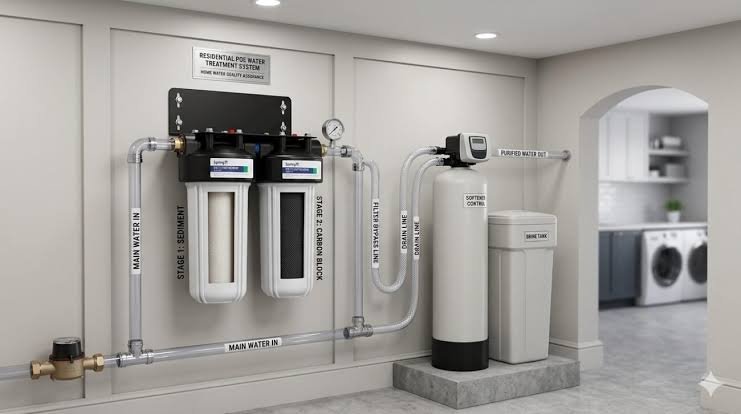
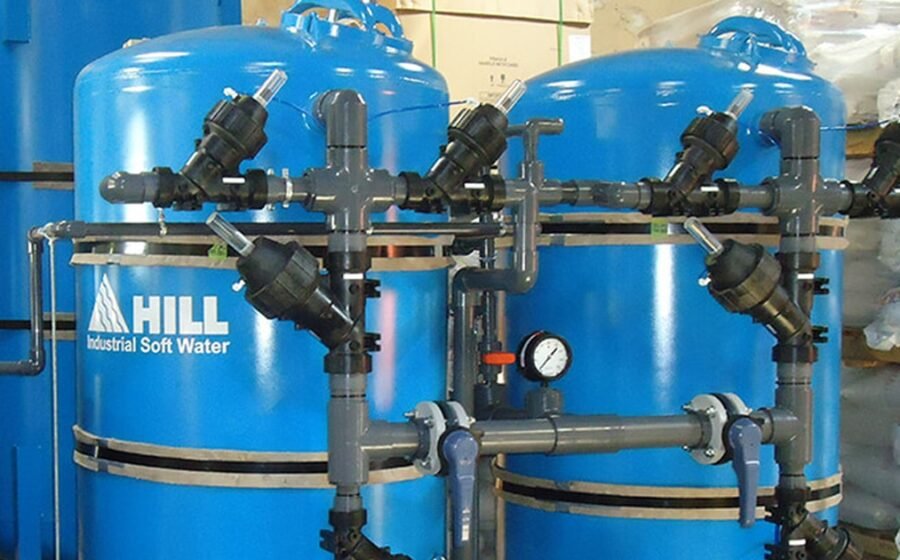
Water treatment equipment comes in several forms, from simple drinking-water filters to whole-house filtration systems and conventional water softeners. Each has a particular purpose, and choosing between them can be confusing when you’re unfamiliar with the technology.
This is where expert guidance can be valuable. A knowledgeable water treatment professional can help interpret test results, explain the differences between available systems, and identify which features are genuinely useful for your situation. They should also be willing to explain what a recommended product cannot do.
For example, a household dealing mainly with hard water may benefit from a properly sized softener. Someone concerned about the taste of drinking water might prefer a point-of-use carbon filter. If testing identifies a particular dissolved contaminant, a system certified to reduce that substance may be more appropriate.
A good consultation should leave you feeling better informed, not pressured into buying the most expensive equipment. Ask questions about performance, installation requirements, maintenance schedules, and replacement costs. If the explanation is vague or relies on dramatic claims, it’s reasonable to seek another opinion.
Choosing Equipment That Fits Your Everyday Routine
A treatment system should work with your household, not create a new set of daily inconveniences. Think about how many people live in the home, how much water you use, and where treatment is needed.
A kitchen filter may be enough if your main goal is improving drinking and cooking water. Whole-house filtration can be useful when a concern affects several fixtures, provided the selected equipment is designed to address it. Reverse osmosis may be worth considering when testing identifies dissolved substances that a suitable membrane system can reduce.
Capacity matters more than many people realise. A small system might struggle when several family members need water at once, while an oversized unit can add unnecessary expense. Consider flow rate, available space, water pressure, and access to replacement cartridges before making a decision.
It’s also worth looking at the system’s long-term costs. A lower purchase price may seem appealing, but replacement filters, servicing, salt, and water usage can influence the total cost over several years. A clear estimate helps you compare options fairly.
Installation Doesn’t Have to Be a Headache
Some water treatment products are designed for straightforward installation, while others involve changes to the home’s plumbing. Understanding the difference before ordering can save time and frustration.
Products designed for easy DIY installation may include clear instructions, standard connections, and the fittings needed for a basic setup. A simple under-sink filter, for instance, may be manageable for a homeowner who is comfortable with routine household tasks and follows the manufacturer’s directions carefully.
Still, DIY installation isn’t suitable for every system or every home. Whole-house equipment may require plumbing modifications, drainage connections, electrical access, or adjustments to accommodate water pressure and flow. Incorrect installation can cause leaks, reduce performance, or create other problems.
Before starting, read the instructions, check that the supplied components match your plumbing arrangement, and make sure you have the necessary tools. Follow all flushing and commissioning steps before using the treated water. If the work involves unfamiliar plumbing connections or you’re unsure about local requirements, bringing in a qualified installer may be the safer choice.
The goal is not to prove that you can do everything yourself. It’s to get the system installed correctly and avoid turning a simple improvement into an expensive repair.
Customer Support Matters After the Sale
Buying the equipment is only one part of the experience. Questions often come up later: a filter needs replacing, water flow seems slower than usual, or you’re unsure whether a warning light indicates a problem. Having someone to contact can make those situations far less stressful.
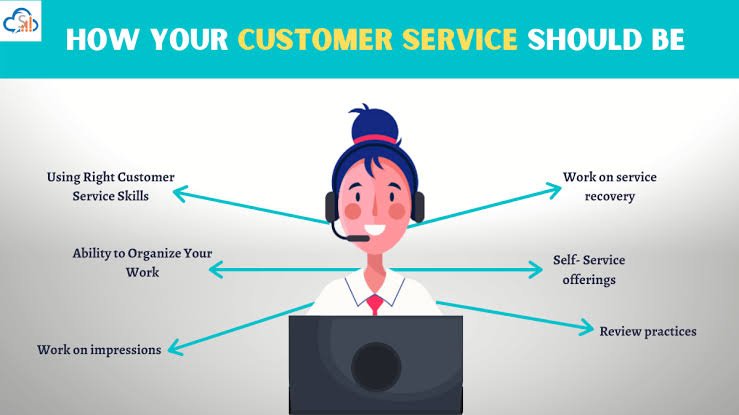
Reliable responsive customer support should provide clear answers, practical troubleshooting advice, and information about maintenance or replacement parts. Customers should be able to understand what to do next without navigating a maze of technical language.
Before purchasing, find out how support is provided. Is help available by phone, email, or online chat? Are installation instructions and troubleshooting guides easy to access? Can replacement components be ordered without difficulty? These details may not seem important at first, but they can make a real difference over the life of the system.
It’s also helpful to understand the warranty. Check what it covers, how long it lasts, and whether specific maintenance requirements apply. Keep receipts, product details, and installation records somewhere accessible in case you need them later.
Keep Maintenance Manageable
Even a well-chosen system needs routine care. Filters have a limited service life, softeners may require salt replenishment, and reverse osmosis membranes need replacement according to the manufacturer’s schedule. Neglecting maintenance can reduce performance, so it’s best not to wait until the water tastes different before checking the equipment.
Set reminders for filter changes and keep a simple record of service dates. Pay attention to sudden changes in taste, odor, pressure, or visible deposits. These signs don’t always mean the treatment system has failed, but they may indicate that maintenance or further testing is needed.
If your water source changes or you suspect contamination, don’t rely on the treatment device alone. Arrange appropriate testing and follow advice from your water provider or local health authority.
Choose With Confidence, Not Pressure
Improving household water doesn’t have to involve guesswork or unnecessary expense. Start by identifying the concern, use reliable testing where appropriate, and compare systems according to their documented performance. Then consider installation, maintenance, and the support available after purchase.
A trustworthy provider should give you enough information to make your own decision. You shouldn’t feel rushed or be left wondering why a particular system has been recommended.
In the end, the right water treatment solution is the one that suits your home, fits your budget, and remains practical to maintain. With a little preparation and the right support, a confusing purchase can become a sensible improvement to everyday life.