Good Water Care Begins Before Problems Appear
There’s something peaceful about a well-kept pond. The water catches the afternoon sunlight, plants move gently in the breeze, and the whole garden feels a little more alive. But keeping a pond healthy takes more than filling it with water and hoping for the best. The same is true of water systems inside homes and businesses. Behind the scenes, a little planning and regular care can make a noticeable difference.
Water quality can change for many reasons. Weather, minerals, organic debris, aging equipment, and everyday water use all play a part. Sometimes the warning signs are obvious, such as cloudy pond water or white scale around a faucet. Other times, a problem develops slowly until equipment stops working as efficiently as it should.
The sensible approach is to understand what your water needs, choose suitable equipment, and look after it over time. That doesn’t have to be complicated, but it does require some attention.
Keeping Pond Water Clear and Balanced
Ponds are living environments, not simply decorative features. Sunlight, temperature, plants, fish, microorganisms, and nutrients interact constantly. When these elements fall out of balance, the water may turn green, develop an unpleasant smell, or become cloudy.
Algae growth is a common concern, particularly during warm weather. Excess nutrients from fish waste, uneaten food, decaying leaves, and fertilizer runoff can encourage algae to spread. Adding more chemicals might seem like the fastest answer, but it doesn’t always address the underlying cause.
Effective pond water treatment starts with understanding the pond itself. Check whether the filtration system is suitable for its size and fish population. Make sure water circulates properly, remove fallen leaves before they decompose, and avoid feeding fish more than they can consume. Where appropriate, aquatic plants can help absorb nutrients and contribute to a balanced environment.
Testing the water can also provide useful clues. Depending on the pond, important measurements may include pH, ammonia, nitrite, and dissolved oxygen. Fish that gather near the surface or appear unusually inactive may be showing signs of poor water conditions, so don’t ignore sudden changes in their behavior.
Treatments should always be selected carefully. Some products can harm fish, aquatic plants, or beneficial organisms when used incorrectly. Follow the product instructions and seek knowledgeable advice if the cause of the problem isn’t clear. A pond usually benefits more from a thoughtful, balanced approach than from repeated quick fixes.
Choosing the Right Water Treatment Equipment
Water systems used in homes and commercial properties face different challenges from outdoor ponds, but the basic principle remains the same: the equipment should match the water problem.
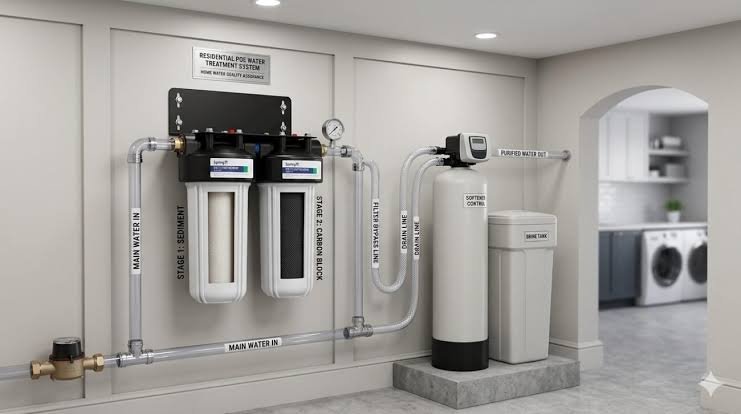
Hard water, for example, contains elevated levels of calcium and magnesium. Over time, these minerals can form scale inside pipes, water heaters, and appliances. A properly sized water softener can help reduce hardness and limit mineral buildup.
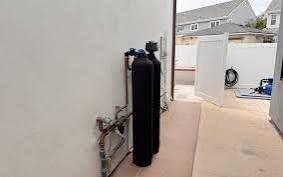
Filtration systems serve different purposes. Sediment filters capture suspended particles, while activated carbon filters can improve certain tastes and odors. Reverse osmosis systems can reduce a range of dissolved substances when selected and maintained appropriately. Other treatment technologies may be needed for specific contaminants or microbial concerns.
Before choosing a system, arrange appropriate water testing. The results help establish which treatment methods are suitable and which are unnecessary. This is particularly important for private wells, where water quality can vary with environmental conditions and changes around the property.
Think about daily demand, too. A small household may have very different requirements from a restaurant, workshop, or larger commercial building. Equipment that is too small may struggle during busy periods, while an unnecessarily complex system can add costs without providing meaningful benefits.
Why Professional Installation Matters
Even good equipment can disappoint when it’s installed incorrectly. Poorly fitted connections, incorrect pressure settings, unsuitable pipework, or a badly positioned unit may affect performance and create avoidable problems.
Choosing professional installation helps ensure that the system is appropriate for the property and connected according to the manufacturer’s requirements and applicable plumbing standards. An experienced installer can assess water demand, identify practical installation constraints, and explain how the equipment should be operated.
For a household, that might mean finding a suitable location for a filtration unit without making routine filter changes awkward. For a business, it could involve planning around existing plumbing, operating hours, and periods of high water demand.
Installation is also a good opportunity to ask questions. How often should the filters be replaced? Does the system require salt, cleaning, or periodic testing? What signs suggest that servicing is needed? Clear answers make it easier to look after the equipment once the installer has left.
No system can guarantee perfect water under every circumstance, but correct installation gives it a better chance of delivering the performance it was designed to provide.
The Importance of Regular Maintenance
Water treatment equipment is often easy to forget because it usually operates out of sight. Unfortunately, filters don’t last forever, moving parts wear out, and pumps can become less efficient. Small issues may gradually reduce performance without causing an obvious breakdown.
That is why ongoing preventative maintenance & support deserves a place in any sensible water-care plan. Depending on the equipment, routine service may include inspecting connections, checking operating pressure, replacing filters, cleaning components, examining pumps, and confirming that controls are working correctly.
The schedule should be based on the manufacturer’s instructions, water conditions, and how heavily the system is used. A busy commercial facility may need more frequent attention than a lightly used household unit.
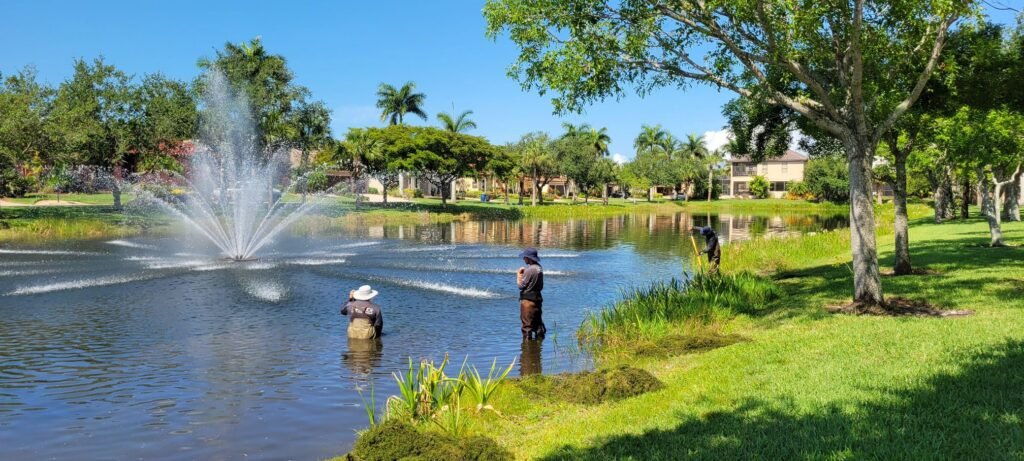
Ponds need regular observation as well. Remove accumulated debris, check pumps and filters, and watch for changes in water clarity or fish behavior. Seasonal changes can affect pond conditions, so the maintenance routine may need adjusting as temperatures rise or fall.
Keep a basic service record. Write down inspection dates, replacement parts, and any unusual changes in performance. It takes very little time, yet it can help reveal recurring problems and make future servicing more straightforward.
Small Warning Signs Are Worth Investigating
Not every change means something serious is wrong, but repeated warning signs deserve attention. Water pressure that drops unexpectedly, a new odor, visible sediment, or a treatment system that seems to run constantly may indicate a problem.
In ponds, a sudden increase in algae, persistent foam, or fish behaving differently can point to changes in water conditions. Check the likely causes before adding products or adjusting several things at once. Changing too much at once can make it difficult to understand what’s actually helping.
If a water-quality concern involves drinking water, don’t rely on appearance or smell alone to determine safety. Arrange appropriate testing and follow guidance from qualified professionals or local public-health authorities. If contamination is suspected, use a verified safe alternative for drinking and food preparation until the issue has been assessed.
Early attention is often less disruptive than waiting for a complete equipment failure or a serious decline in water quality.
Building a Water-Care Routine That Lasts
Good water management doesn’t depend on buying the most expensive equipment or checking everything every day. It comes from making informed choices and following through with basic care.
Start by identifying your water source and the problems you want to address. Choose equipment that suits your needs, have it installed correctly, and understand its maintenance requirements. For ponds, focus on circulation, filtration, sensible feeding, and keeping excess nutrients under control.
Most importantly, don’t wait for a small concern to become a major headache. A few minutes spent checking a filter, inspecting a pump, or arranging a water test can save time and expense later.
Healthy pond water and reliable treatment systems are built through consistent attention rather than one-time fixes. With a practical plan and the right support, you can protect your equipment, care for your pond, and enjoy greater confidence in the water you depend on every day.